Understanding the Importance of Proper Cooking Oil Disposal
Proper disposal of used cooking oil is a crucial yet often overlooked aspect of maintaining a healthy environment. In Buckinghamshire, as in many other regions, improper disposal can lead to clogged drains, environmental pollution, and wildlife harm. By understanding and implementing proper disposal methods, you can contribute to a cleaner and more sustainable community.
Used cooking oil, when poured down the sink, can solidify and cause blockages in plumbing systems. This not only affects your home but can also disrupt local sewage and water treatment processes. Additionally, when oil reaches natural water bodies, it poses a threat to aquatic life by forming a film on the water’s surface, reducing oxygen levels.

Methods for Disposing of Used Cooking Oil
Recycling and Reuse
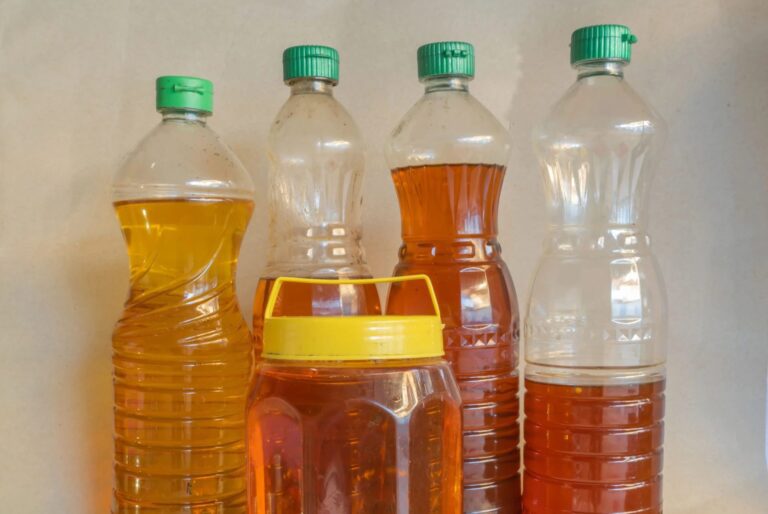
One of the most environmentally friendly ways to dispose of cooking oil is through recycling or reuse. Many local councils and businesses in Buckinghamshire offer collection services for used cooking oil. This oil is then recycled into biodiesel or other products, reducing the demand for new resources.
If you have a small amount of used oil, consider reusing it in your kitchen. Strain the oil to remove food particles and store it in a clean container for frying or cooking later. However, avoid reusing oil that has been burned or has developed an off smell.

Local Collection Services
Several collection points across Buckinghamshire accept used cooking oil from households. Residents can drop off their oil at designated recycling centers or arrange for a pick-up service. Check with your local council for specific locations and guidelines.
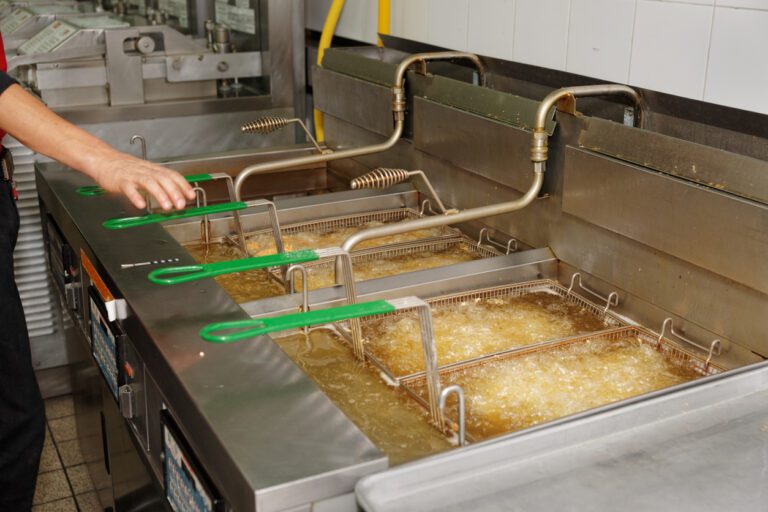
Businesses such as restaurants or catering services often produce significant amounts of used oil. These businesses can partner with licensed waste management companies to ensure proper disposal and compliance with environmental regulations.

DIY Disposal Methods
Solidifying and Trash Disposal
If recycling or collection services are not available in your area, you can opt for solidifying the oil before disposal. Mix the used oil with absorbent materials like cat litter or sawdust until it becomes solid. Once solidified, seal it in a container and dispose of it in your regular trash.
This method is simple and effective for small quantities of oil but should be avoided for larger amounts due to potential landfill issues. Always ensure your waste disposal practices comply with local regulations to avoid fines or environmental damage.
Composting
In some cases, used cooking oil can be added to compost piles. However, this is only suitable for small amounts of vegetable-based oils. Animal fats and large quantities can attract pests and create odors, so it’s best to avoid composting these types of oils.

Conclusion: Making a Positive Impact
Disposing of used cooking oil responsibly is a simple step that has significant environmental benefits. By choosing to recycle, reuse, or properly dispose of your cooking oil, you contribute to reducing pollution and promoting sustainability in Buckinghamshire.
Educate others about the importance of proper disposal methods and encourage them to adopt environmentally friendly practices. Together, we can make a positive impact on our community and the planet.