Understanding the Basics of Cooking Oils
Cooking oils are an essential component in most kitchens, offering a variety of flavors and health benefits. However, to maintain their quality and extend their shelf life, proper storage and preservation are crucial. Whether you’re using olive oil, coconut oil, or any other type, knowing how to store them correctly can make all the difference.
When oils are exposed to light, heat, and air, they can quickly become rancid. This not only affects the taste but can also reduce the nutritional value. Therefore, understanding the right storage methods is key to maintaining the integrity of your cooking oils.

Choosing the Right Container
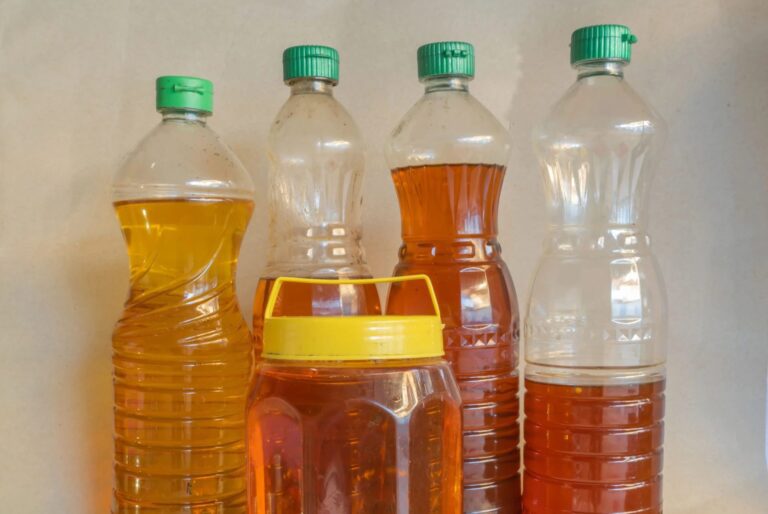
The type of container you use for storing cooking oils plays a significant role in their preservation. Opt for dark glass bottles or stainless steel containers to protect the oils from light. Clear plastic or glass bottles allow light to penetrate, which can accelerate spoilage. If possible, transfer oils from plastic containers into glass ones to enhance their longevity.
Ideal Storage Conditions
Temperature is another critical factor when storing cooking oils. Most oils should be stored at a cool, consistent temperature. A pantry or cupboard away from heat sources like stoves or ovens is ideal. Avoid placing oils in the refrigerator unless specified on the label, as this can cause certain oils to become cloudy or solidify.

Sealing and Air Exposure
Minimizing air exposure is essential for preserving cooking oils. Always ensure that the lid is tightly sealed after each use to prevent oxidation. Consider using smaller bottles if you don’t use oil frequently, as this reduces the amount of oxygen that comes into contact with the oil each time it is opened.
Recognizing Rancidity
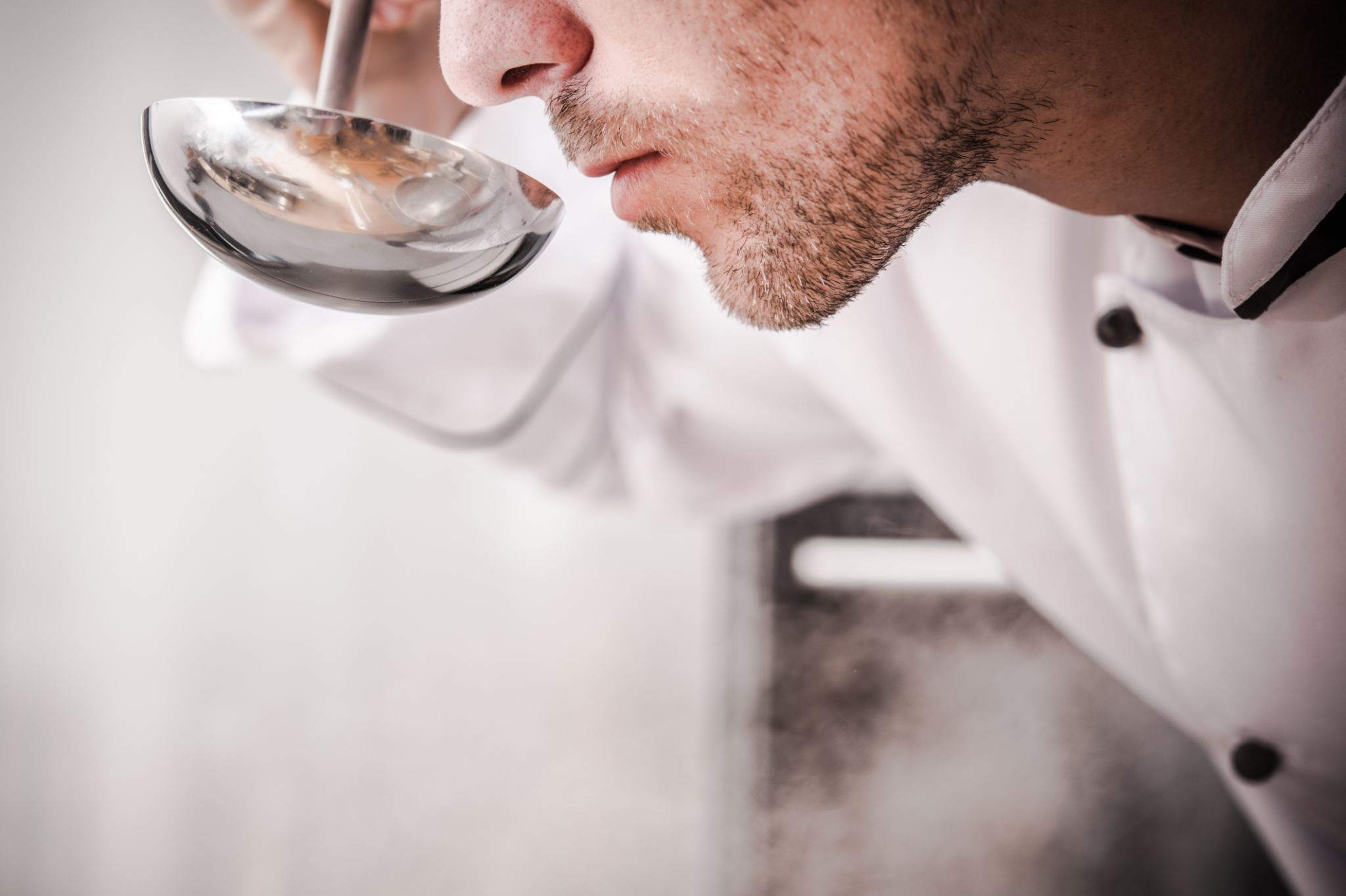
Knowing how to identify rancid oil is just as important as storing it correctly. Rancid oil often has an off-putting smell and a sour or bitter taste. Regularly checking your oils for these signs ensures that you’re only using fresh, safe products in your cooking.
Shelf Life of Different Oils
Different oils have varying shelf lives. For instance, olive oil typically lasts between 18-24 months when stored correctly, while sesame oil may only last about 6-12 months. Regularly rotating your stock and using older oils first can help manage their shelf life effectively.
Environmental and Ethical Considerations
When choosing cooking oils, consider both environmental and ethical factors. Opt for sustainably sourced oils that are produced through eco-friendly practices. This not only supports your health but also contributes positively to global farming communities and ecosystems.
By implementing these expert tips on storing and preserving your cooking oils, you can ensure they remain fresh and flavorful for longer periods, enhancing your culinary creations while minimizing waste.